Living in Homestead: Pros and Cons
Best for first-time buyers, investors, and value hunters who want Miami-Dade's most affordable new construction, farm-country character, and Everglades access, and who accept a long commute and flood realities.
The honest picture
What is it really like to live in Homestead?
Homestead is Miami-Dade's southern city, a working farm town at the meeting point of the Everglades, Biscayne National Park, and the redlands' tropical fruit country. Its historic downtown and the region's fastest-growing housing stock tell the story. Median home prices run roughly $438,000 to $460,000 depending on the source, with new homes launching from the $300,000s to $500,000s, far below the county median.
This guide keeps the postcard and adds the fine print: real price ranges, the schools buyers actually check, commute reality, walkability scores, and the insurance and heat costs nobody puts in the brochure. If you read one page before you start house hunting in Miami-Dade County, make it this one. And when you want the street-level version, that is a free call away.
Want the honest, street-level take on Homestead? Set up a free 15-minute strategy call with Michael Wiz Wisniewski, Certified Real Estate Planning Advisor and Certified A.I. Real Estate Advisor, and he will tell you what the listings do not.
Miami-Dade County · Greater Miami
Median home price
~$438K-$460K; new homes $300s-$500s
Walk Score
~32 (car-dependent); Krome core higher
Population / median age
~85,000 / ~35
Schools
Miami-Dade; new schools built for growth
Source: U.S. Census Bureau (population and median age), county Realtor and MLS data (median home prices), Walk Score (walkability), state and Niche school data (school grades), and the Insurance Information Institute (insurance cost averages). Figures draw from public reporting and update often, so Michael pulls live comps, school assignments, and insurance quotes for your exact address in your strategy call.
What works
Pros of living in Homestead
The genuine advantages, with the specifics that matter: neighborhoods, schools, commute math, and the numbers behind the lifestyle.
-
Miami-Dade's entry market
New homes frequently launch in the $300,000s to $500,000s, and the median runs roughly $438,000 to $460,000: the county's most affordable new-construction market.
-
Fastest appreciation in the county
The housing boom has made Homestead Miami-Dade's fastest-appreciating market, a genuine wealth-building story for early buyers.
-
Farm-country character
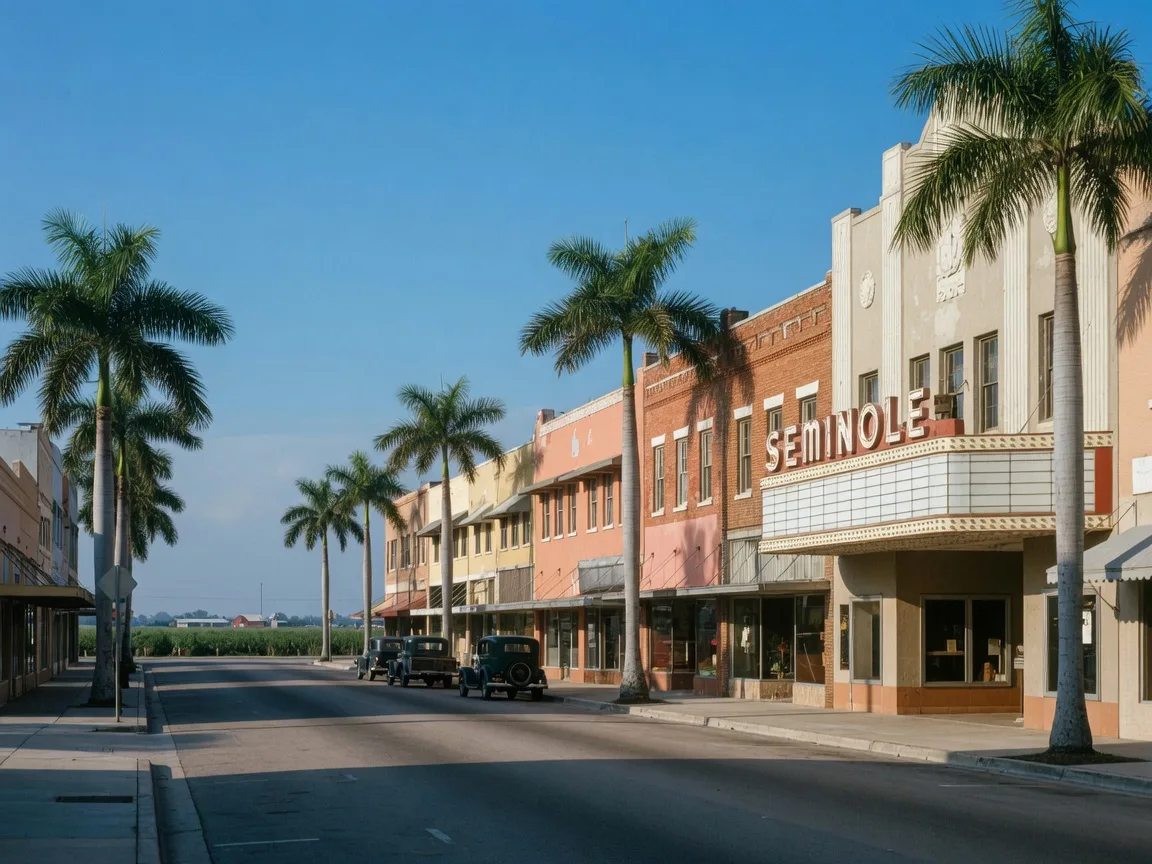
The Redlands' tropical fruit farms, nurseries, and the historic downtown with the Seminole Theatre give it a small-town identity the rest of Miami lacks.
-
Everglades and Biscayne National Park
The Anhinga Trail, Fruit and Spice Park, Coral Castle, and boat trips into Biscayne Bay are all at the doorstep: world-class nature within minutes.
-
New infrastructure
New schools, hospitals, and retail are being built to serve the boom, and the Florida Keys corridor means easy weekend escapes.
-
Space and price per square foot
Buyers get newer, larger homes for a fraction of the county's per-square-foot costs, especially in the planned communities.
The honest trade-offs
Cons of living in Homestead
No town is only a postcard. These are the trade-offs residents actually talk about, stated plainly, because a good advisor tells you the truth before you sign.
-
The commute
Miami's job centers are 35 to 50 minutes north with traffic; the Turnpike and U.S. 1 corridor are the daily grind for most workers.
-
Car dependence
Walk Score sits near 32, and outside the historic core nearly everything requires a car.
-
Heat and flood realities
Southern Dade is low-lying: flood zones, storm surge, and intense summer heat are real, and flood insurance is required in many areas.
-
Schools still catching up
The district built new schools for the boom, but Miami-Dade's public school results vary widely by school, and magnet or private options are part of many family plans.
-
Rapid-growth growing pains
Traffic on the corridor, construction dust, and infrastructure that is still filling in are part of living through a boom.
-
Distance from the beach
The Atlantic water is at Biscayne Bay and Elliott Key, but classic Miami Beach is an hour-plus drive; the nearby coast is parkland, not beaches.
The bottom line: first-time buyers, investors, and value hunters who want Miami-Dade's most affordable new construction, farm-country character, and Everglades access, and who accept a long commute and flood realities. If that sounds like you, the next step is a free 15-minute strategy call, no pressure and no obligation, at calendly.com/michaelwisniewski/15-min-strategy-call or (561) 441-8420.
At a glance
Homestead: pros vs. cons, side by side
The fast comparison for the categories buyers weigh most. The full reasoning is above; this table is the one you screenshot.
| Category | What works | What to watch |
|---|---|---|
| Home values | County-lowest entry; fast appreciation | Rapid growth can outpace infrastructure |
| Schools | New schools built for the boom | Results vary; magnet planning needed |
| Commute | Turnpike and U.S. 1 corridors | 35-50 minutes to Miami jobs |
| Walkability | Historic Krome core walkable | Citywide car dependence |
| Water and outdoors | Everglades, bay, and farm country | Flood zones in low-lying areas |
| Insurance and costs | Affordable homes, new stock | Flood coverage in mapped zones |
Ranges reflect published market data and vary by neighborhood and source. Current as of September 25, 2026.
Match the town to your life
Who is Homestead best for?
Five buyer personas get the straight answer, with the honest caveat attached to each.
First-time buyers
The clearest fit in the county: new homes below $500,000 and appreciation that has outpaced every Miami-Dade market. Budget the commute and flood check.
Investors
Entry prices, renter demand, and the county's fastest appreciation make it a leading investor market. Flood zones and insurance should be modeled street by street.
Young families
Space, newer schools, and farm-country character at honest prices; the commute and district variance are the trade-offs.
Outdoor lovers
Everglades trails, Biscayne National Park boats, and the Redlands' fruit stands make it the nature base camp of Miami-Dade.
Remote workers
If work is online, Homestead's value and space beat the city's; social and cultural life means regular trips north.
Not sure which persona you are? That is exactly what the free 15-minute strategy call is for. Michael will help you see clearly which towns fit your life, your timeline, and your plan.
Book a Free CallStraight answers
Homestead FAQs
The questions buyers ask Michael most about Homestead, answered directly with the numbers.
01 How much do homes cost in Homestead?
Median prices run roughly $438,000 to $460,000 depending on the source, with new construction launching from the $300,000s to the $500,000s. It is the most affordable new-home market in Miami-Dade.
02 Is Homestead a good investment?
It has been Miami-Dade's fastest-appreciating market during the boom. The honest risks are commute-driven demand and flood-zone variance, so address-level research matters.
03 What about schools?
Miami-Dade built new schools for the growth, but results vary widely by school across the district. Verify the assigned school for each address and weigh magnets or private options.
04 How bad is the commute to Miami?
Plan 35 to 50 minutes to most Miami job centers with traffic, mostly along the Turnpike and U.S. 1. It is the single biggest daily trade-off for city workers.
Have a question this page did not answer? Ask it directly: (561) 441-8420 or michael@thecompleterealestateteam.com.
Keep exploring
You might also like
Living in Homestead
The farm town under the Everglades
Read itLiving in Miami
The gateway city an hour north
Read itCommute Guide
Airports, rails, and roads across South Florida
Read itCompare the coasts
Your next step
Let's decide if Homestead is the town for you
Michael Wiz Wisniewski is The Life Transition Specialist, a Certified Real Estate Planning Advisor and Certified A.I. Real Estate Advisor with The Complete Real Estate Team, powered by Dalton Wade Real Estate, Florida DRE #3301665. He has built, bought, sold, and managed property from the Treasure Coast to South Florida, and he answers with the truth, not the sales pitch.
- (561) 441-8420
- michael@thecompleterealestateteam.com
- Book the free 15-minute strategy call
- Send a message on the contact page
Talk Soon
No obligation, no pressure
Is Homestead the right fit?
Tell Michael about your move, your timeline, and your questions about Homestead. He will reply personally with honest, local answers.
Message sent. Talk Soon!
Thank you for reaching out. Michael will be in touch shortly to schedule your strategy session.