Six counties, one honest comparison · Indian River · St. Lucie · Martin · Palm Beach ·
Broward · Miami-Dade
Cost of Living
The price of the house is only half the cost of living in it
Property taxes, homeowners insurance, utilities, and everyday costs vary meaningfully across the six counties Michael
serves, and those lines are often what change which county is honestly right for you. This page compares Indian River,
St. Lucie, Martin, Palm Beach, Broward, and Miami-Dade County with real, sourced figures, then points you to the
calculators and a 15-minute strategy call to see the numbers applied to your life.
Written by Michael “Wiz” Wisniewski, The Wizard of Real Estate and The Life Transition Specialist, so
nothing here is padded: every figure carries a named source and an as-of date, and anything Michael cannot source is
simply left out.
Five realities that decide more of your budget than the list price does. Every figure carries a named
source and an as-of date, and where the sources disagree, both sides of the range are shown.
No state income tax, and what that actually saves
Florida is one of nine states with no personal income tax. On a $100,000 salary, a Floridian keeps roughly $4,700 a year that an average income-tax state would collect, and tax guides commonly size the typical worker’s savings near $3,200 a year versus the national average. The honest trade: Florida funds itself with a 6% state sales tax, with some counties adding up to about 2.5% more, plus property taxes.
Florida’s median effective property tax rate is about 0.75% of home value (SmartAsset), but the six counties reach from roughly 0.71% in Indian River to more than 1% in Broward, a spread that changes hundreds of dollars a year on the same-priced house. The Homestead Exemption shields part of the assessed value, and Save Our Homes caps assessed growth for homesteaded owners.
State data put Florida’s statewide average single-family premium near $3,747 (August 2025), but the coastal counties run far hotter: from about $3,500 in St. Lucie to more than $6,300 in Palm Beach. Insurify’s market-wide 2026 estimate put Florida at $8,292, the most expensive state in the country and roughly 2.8 times the national average. Both numbers are real, which is why Michael prices insurance into a plan before you fall in love with a house.
Florida OIR via Sun Sentinel / WPTV; Insurify 2026 report · May 2025 to July 2026 data
Utilities: the summer AC reality
Florida electricity actually runs below the national average per kilowatt-hour, about 15 cents versus 17.4 cents nationwide (EIA 2024), but Florida homes cool more months than anywhere else: average use near 1,104 kWh a month, a typical bill around $165 to $177, and June through September bills climb as the AC runs nearly nonstop. Cooling is a permanent annual line, not a summer surprise.
U.S. Energy Information Administration · 2024 profile, 2025 preliminary
Groceries and healthcare vary by metro
The MIT Living Wage Calculator (2024 edition) budgets about $400 a month for food and $200 for medical care for a single adult in the Miami-Fort Lauderdale-West Palm Beach metro, while the C2ER cost-of-living index put Fort Lauderdale near 118, about 18% above the national average. Treasure Coast metros tend to run closer to the national average on groceries, a quiet day-to-day advantage.
MIT Living Wage Calculator; C2ER Cost of Living Index · 2024–2025 editions
The honest take
No single county wins everywhere. The county that wins for you is the one where these five lines add
up for your exact budget, and that is a math problem Michael runs for clients every week.
Six counties, six different budgets. Every figure carries a named source and an as-of date, and
Michael’s honest one-liner names the trade each county is making.
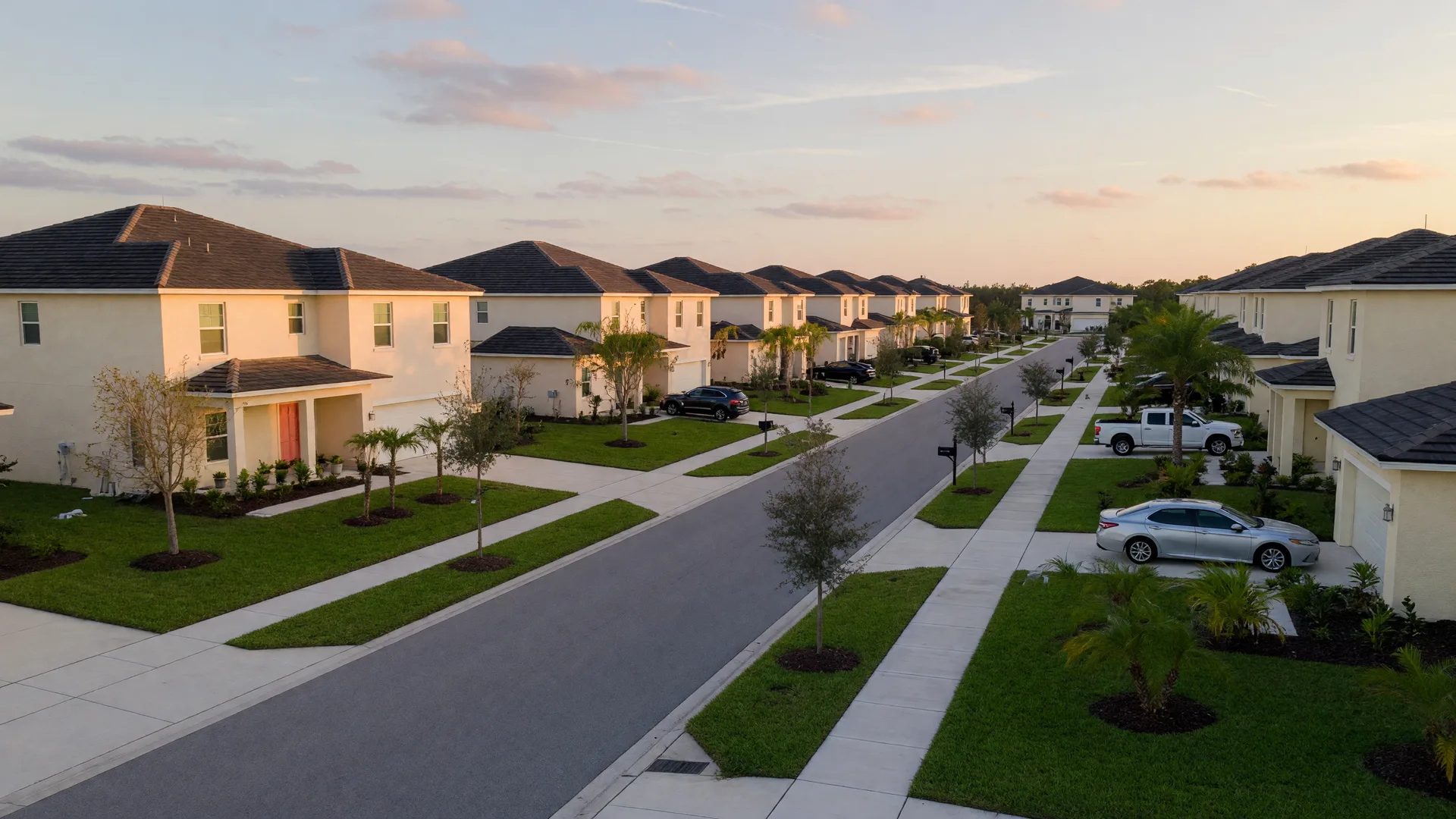
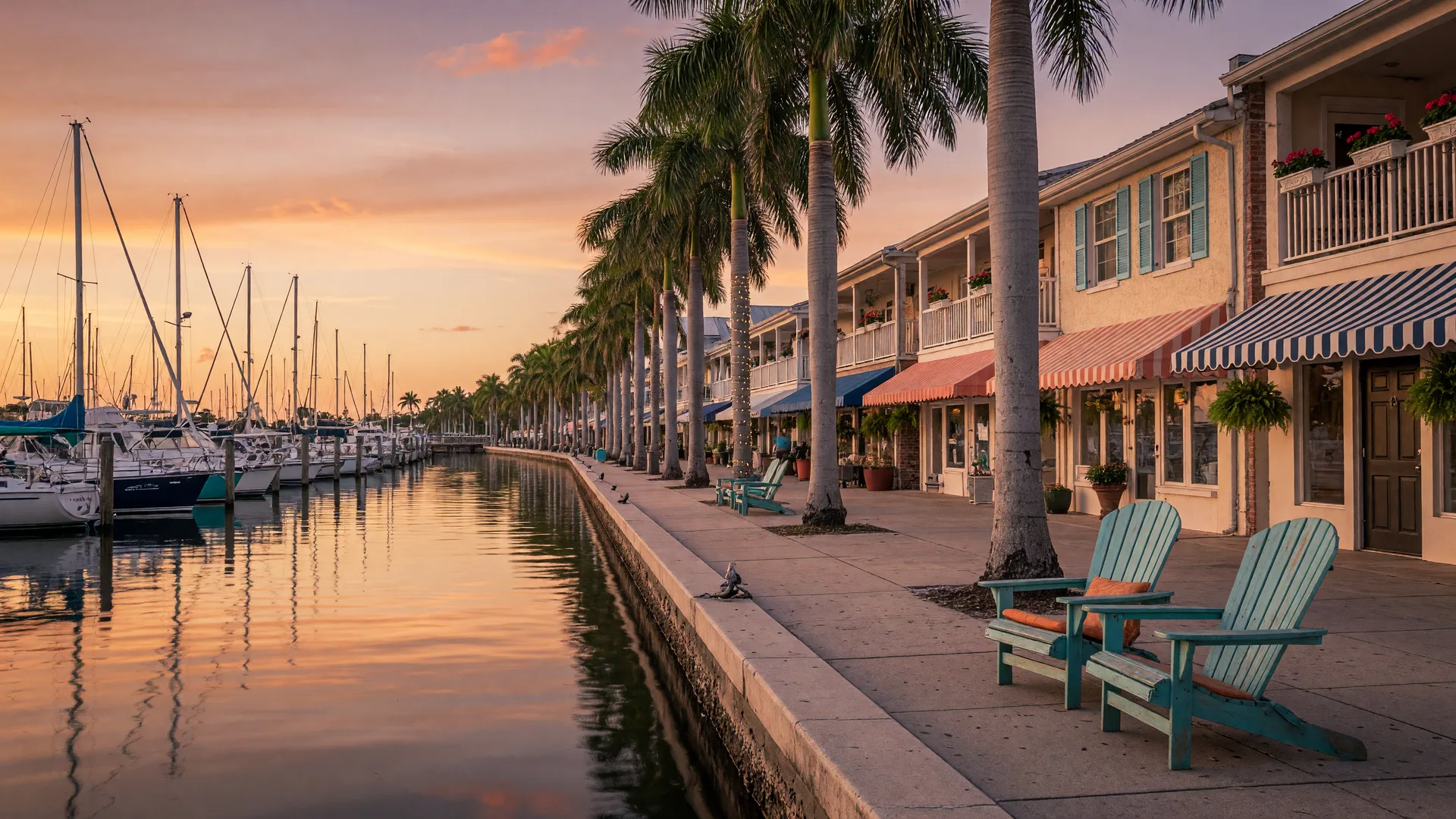
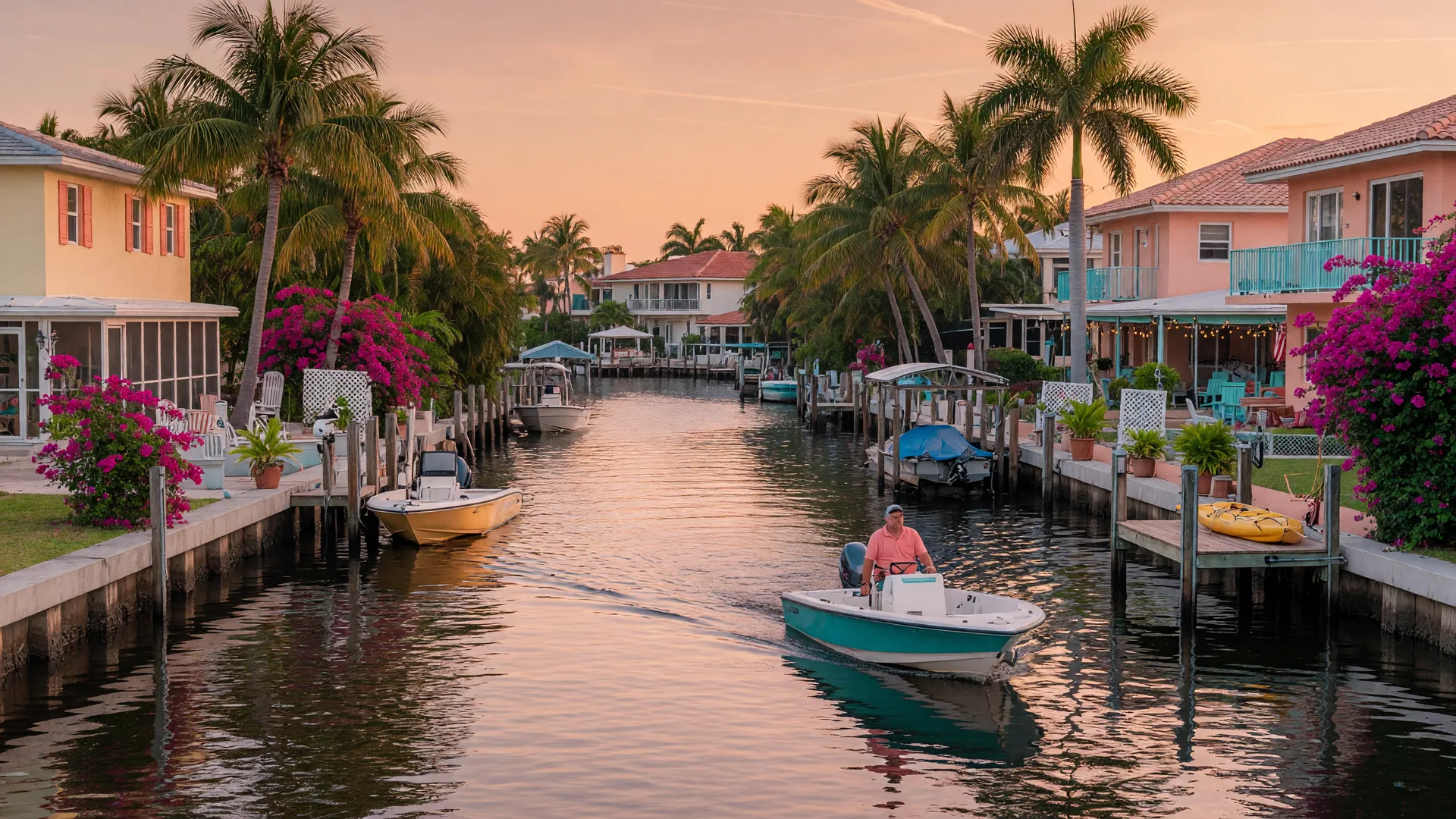
Honest word Timeless barrier-island beaches and lagoon life at Treasure Coast prices, with the lightest tax rate and insurance bill among the six counties.
Honest word The fastest-growing family market of the six: new construction, genuine entry prices, and the lowest coastal insurance average on this page.
Honest word Old-Florida river charm along the St. Lucie: the highest Treasure Coast prices and an insurance bill that runs nearly double St. Lucie County.
The list price is what you borrow. These seven lines are what you live with. Honest ranges where a
source exists, and straight talk where the honest answer is “ask, because it varies.”
Mortgage principal and interest
The half everyone compares. The five lines below are the half that decides whether a county actually works on your budget. Run a price through the affordability and mortgage-payment calculators before you compare counties, then add these lines on top.
Start with the calculators
Property taxes
Effective rates from roughly 0.71% to more than 1% of home value across the six counties (sources above). Worked out on a $500,000 home, that is about $3,550 to $5,400 a year before exemptions, and the Homestead Exemption plus Save Our Homes shrink the bill for owner-occupants. Ask the county property appraiser for the exact figure on any address.
About $3,550–$5,400/yr on a $500K home, before exemptions
Homeowners insurance
County averages run from about $3,500 to more than $6,300 a year (Florida OIR), and waterfront addresses, flood zones, and older roofs climb well above the averages. Flood insurance is a separate policy where required, and the premium depends on flood zone and elevation. Michael checks both policies with every buyer
About $3,500–$6,300+/yr, county and waterfront dependent
HOA and condo fees
Where they are real, they are real monthly: many planned communities and condos carry association fees that include lawn, common areas, amenities, and often insurance. Fee ranges vary widely by community, so the honest move is asking for the current budget, the reserve study, and any planned special assessment before you offer.
Varies by community; always ask for the budget
Maintenance and repairs
A common planning benchmark is 1% to 2% of the home’s value a year for upkeep on a well-maintained Florida home. Older houses, pool homes, seawalls, and coastal finishes run higher. It is a planning range, not a billed figure, but skipping it is how tight budgets break in year three.
Planning benchmark: ~1%–2% of home value a year
Utilities
EIA data puts the typical Florida residential bill near $165 to $177 a month, with the summer months well above that as air conditioning carries the load. Water, trash, internet, and cable add on top, and HOA dues sometimes bundle part of it.
Typical bill ~$165–$177/mo, higher June through September
Commuting and transportation
The least predictable line. Gas, tolls, and time differ enormously between a downtown Miami address and a Treasure Coast commuter route, and Brightline now links Miami, Fort Lauderdale, and West Palm Beach for trips that used to mean the Turnpike. Honest advice: drive the commute in season before you commit to a county.
Varies by county; drive the commute in season
Sources for the ranges above: Florida OIR county premium averages (May 2025 to July 2026 data), the
effective property tax rates cited in the county cards, and the U.S. Energy Information Administration
2024 state profile. Maintenance and HOA lines are planning ranges, not billed figures, and vary by
property.
Apply it to you
Which County Fits Your Budget?
The honest scenarios below are the ones Michael runs every week. Pick yours, run the calculators, then
bring your two finalist counties to a free 15-minute strategy call.
First-time buyer on a budget
St. Lucie and inland Indian River are the honest entry points: Fort Pierce prices from about $250,000 to $310,000 and Port St. Lucie near $400,000 (Michael’s 2025 market data). Start with the affordability calculator, then compare the true monthly cost county by county, taxes and insurance included.
No state income tax on pensions, Social Security, or retirement withdrawals is the headline, but property tax and insurance can flip which county wins: Martin runs notably higher on both than St. Lucie. Model the payment with the mortgage calculator and the one-time cost with the closing-costs calculator before you commit.
Treasure Coast entry prices cash-flow better than the Gold Coast in most of the models Michael runs, and the rent-vs-buy calculator is the fastest honest test of any market. Bring the property to a strategy call and he will run rent, insurance, taxes, and vacancy against your plan.
The trade is the reverse of a starter: selling a family home for a condo or a smaller house changes taxes, insurance, and HOA lines dramatically. Run the closing costs on both sides of the move, test rent-first with the rent-vs-buy calculator, and let the county data decide between waterfront and inland.
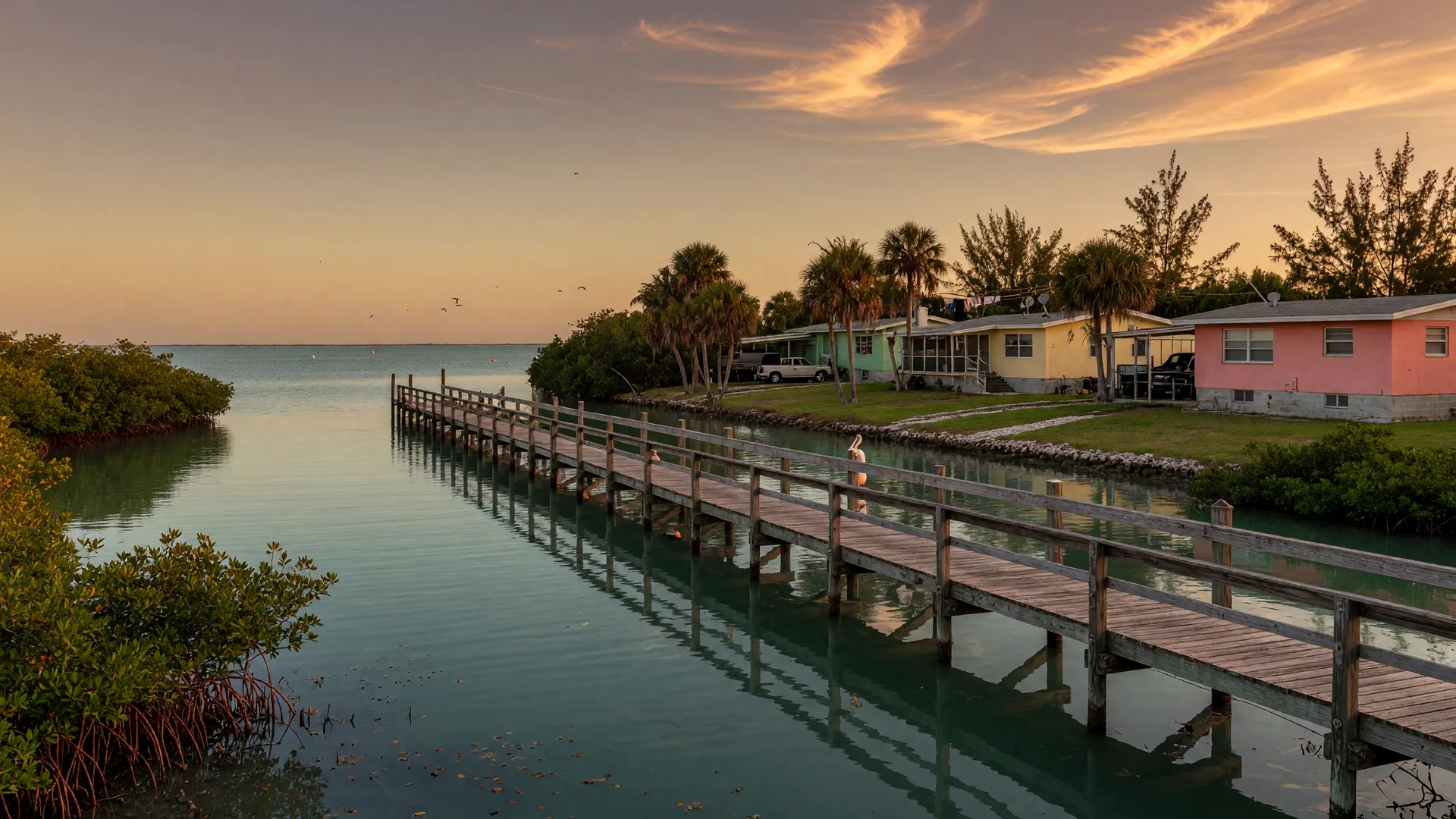
The six counties group into three regions. Each region guide digs into towns, schools, and lifestyle;
this is the one honest cost line that frames the whole region.
The deep-dive guides behind this page, written by Michael with the same sourced, straight-numbers
approach: one guide per coast, plus the side-by-side six-county comparison.
The questions buyers and relocators ask Michael most, answered with the sourced numbers on this page.
01Is Florida really cheaper to live in?
It depends on which two places you are comparing, and that is the honest answer. Florida has no state income tax, which on a $100,000 salary keeps roughly $4,700 a year that an average income-tax state would collect, and groceries and utilities run near or below national averages in many metros. But coastal homeowners insurance is the most expensive in the country, running $3,500 to $6,300 a year by county average (Florida OIR), and property taxes still apply on top of that. The math usually wins for households that buy reasonably and stay; it can lose for budget-crunched buyers who overextend on a coastal house with a heavy insurance line.
02What are property taxes actually like?
Florida’s statewide median effective rate is about 0.75% of home value (SmartAsset), and the six counties Michael serves run from roughly 0.71% in Indian River to more than 1% in Broward, per H&R Block, PropertyShark, and TaxbyCounty estimates. Owner-occupants get the Homestead Exemption, and Save Our Homes caps assessed-value growth for homesteaded properties. On a $500,000 home, the county spread alone is about $3,550 to $5,400 a year before exemptions, which is why the tax rate belongs in the county comparison, not the closing checklist.
03How much is homeowners insurance on the coast?
A lot, and it varies by county. Florida OIR data put the average single-family premium at about $6,327 in Palm Beach, $6,077 in Broward, $5,836 in Miami-Dade, and $5,899 in Martin, versus about $4,334 in Indian River and $3,491 in St. Lucie (July 2026 data). Statewide the average was about $3,747 in August 2025, and Insurify’s market-wide 2026 estimate put Florida at $8,292, the highest in the country. Waterfront, flood zones, roof age, and wind mitigation credits move any single quote, so Michael prices the actual policy into every plan before an offer.
04Which county is the most affordable?
St. Lucie is the honest answer for most buyers: county median near $399,000 (June 2026), the lowest insurance average of the six at about $3,491, and entry prices in Fort Pierce from about $250,000 to $310,000. Inland Indian River runs close on price with the lowest tax rate. The trade is commute and amenity, because the same money buys dramatically less one county south in Palm Beach, where the single-family median is near $699,900. Affordable means something different for a retiree, an investor, and a commuter, so Michael runs the same budget across counties on a strategy call.
05What should I budget beyond the mortgage?
Plan for five permanent lines on top of principal and interest: property taxes, homeowners insurance, HOA or condo fees where they exist, maintenance (a common 1% to 2% of home value a year as a planning benchmark), and utilities (a typical $165 to $177 a month in Florida, higher in summer, per EIA). On many coastal properties, insurance plus taxes run about $600 to $1,000 a month on top of the mortgage payment, figured from the county rates above. Michael builds every search budget with these lines included, so the sweat never starts in year two.
06How does no income tax offset the other costs?
It offsets a lot, but not everything. A working Floridian keeps roughly $4,700 a year per $100,000 of income versus an average income-tax state, which can cover $300 to $400 a month of the tax and insurance gap. It does not erase the difference between a $3,491 St. Lucie insurance bill and a $6,327 Palm Beach bill, and the state makes up revenue with a 6% sales tax plus local options. The honest frame: no income tax helps every county equally, so it rarely changes which county wins; it changes whether Florida as a whole beats the state you are leaving.
MW
Your next step · Free 15-minute strategy call
Run your budget across the six counties, on one honest sheet
Michael “Wiz” Wisniewski, The Wizard of Real Estate and The Life Transition Specialist, is
a Certified Real Estate Planning Advisor with The Complete Real Estate Team, powered by Dalton Wade
Real Estate, Florida DRE #3301665. He will run your exact price range across the counties with taxes,
insurance, HOA, and utilities included, then tell you honestly which county wins.
Tell Michael your price range, timeline, and the chapter you are in, and he will reply with the honest county-level comparison, taxes and insurance included.
Message sent. Talk Soon!
Thank you for reaching out. Michael will be in touch shortly to schedule your strategy session.
From the Treasure Coast to South Florida, new homes and honest market updates go to my
list first. Join now and never miss a listing that fits your plan.
 Northern Treasure Coast