Straight answers, no fine print
Lakewood Park, Florida: Frequently Asked Questions
The questions buyers ask Michael most about moving to Lakewood Park, answered directly with the
sourced numbers on this page.
Is Lakewood Park, FL a good place to live?
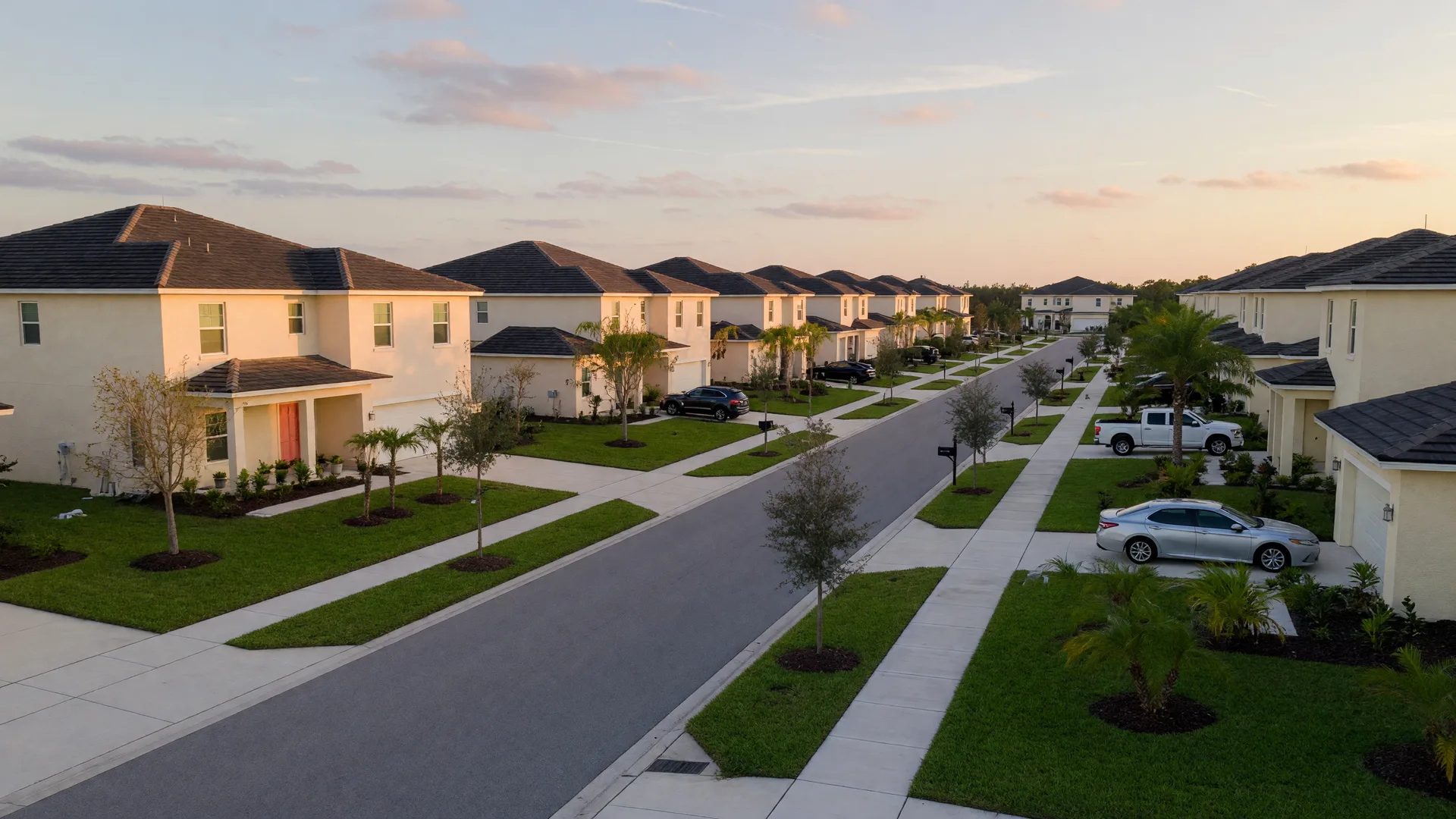
Yes, for buyers who want land and value with access: ranch-style homes on big lots, the growing Kings Highway corridor, and I-95 between Fort Pierce and Port St. Lucie. Redfin's read put the ZIP median near $320,000. The trade-offs are older stock and modest school ratings.
How expensive is Lakewood Park?
It is St. Lucie County's value pocket: a ZIP median near $320,000 and a city read near $342,000, with the median price per square foot near $199, below the county's broader medians. BestPlaces indexes the county at 98.6, and Florida has no state income tax.
How far is Lakewood Park from the beach?
About 20 minutes east to the Atlantic and Hutchinson Island beaches on A1A, with the Indian River Lagoon along the way. Fort Pierce's waterfront is about 10 minutes north.
Is Lakewood Park good for retirees?
For land-and-price retirees, yes: single-story ranch homes, roomy lots, corridor services at the door, and no state income tax, with healthcare on the corridor and in Fort Pierce minutes away. Michael, a Certified Senior Transition Specialist, helps plan the move itself.
How are the schools in Lakewood Park?
Lakewood Park Elementary carries a GreatSchools 6/10, Northport K-8 a 5/10, and Fort Pierce Central High a 4/10, with the county's magnet route, Lincoln Park Academy (8/10, Niche A-), as the academic pathway. Boundaries change, so Michael confirms the exact zone for an address.
How is the housing market in Lakewood Park right now?
Balanced and value-priced. The ZIP median ran near $320,000 with about 103 days on market in the most recent print, a clear buyer-friendly pace, while new corridor subdivisions begin to supply modern product. The value window is real and closing as growth arrives.
Is Lakewood Park good for families?
Yes, for families who want room and price relief: big lots, quiet blocks, corridor convenience, and a strong elementary school for the neighborhood. Plan the middle and high assignments, including the magnet route, the way Michael does, address first.