The story: the wrong number that led to $68,000
Frank, a widower in Vero Beach, got a text from a number he did not know. It read like a message meant for someone else, and the sender, who called herself Carol, apologized for texting the wrong person. Then she kept chatting, warmly and steadily, and the small talk turned into a friendship that brightened his quiet days. Weeks later, Carol mentioned she had been making money on a cryptocurrency platform, and she offered to walk him through it. She was patient, encouraging, and never pushy, which was exactly how the script was written.
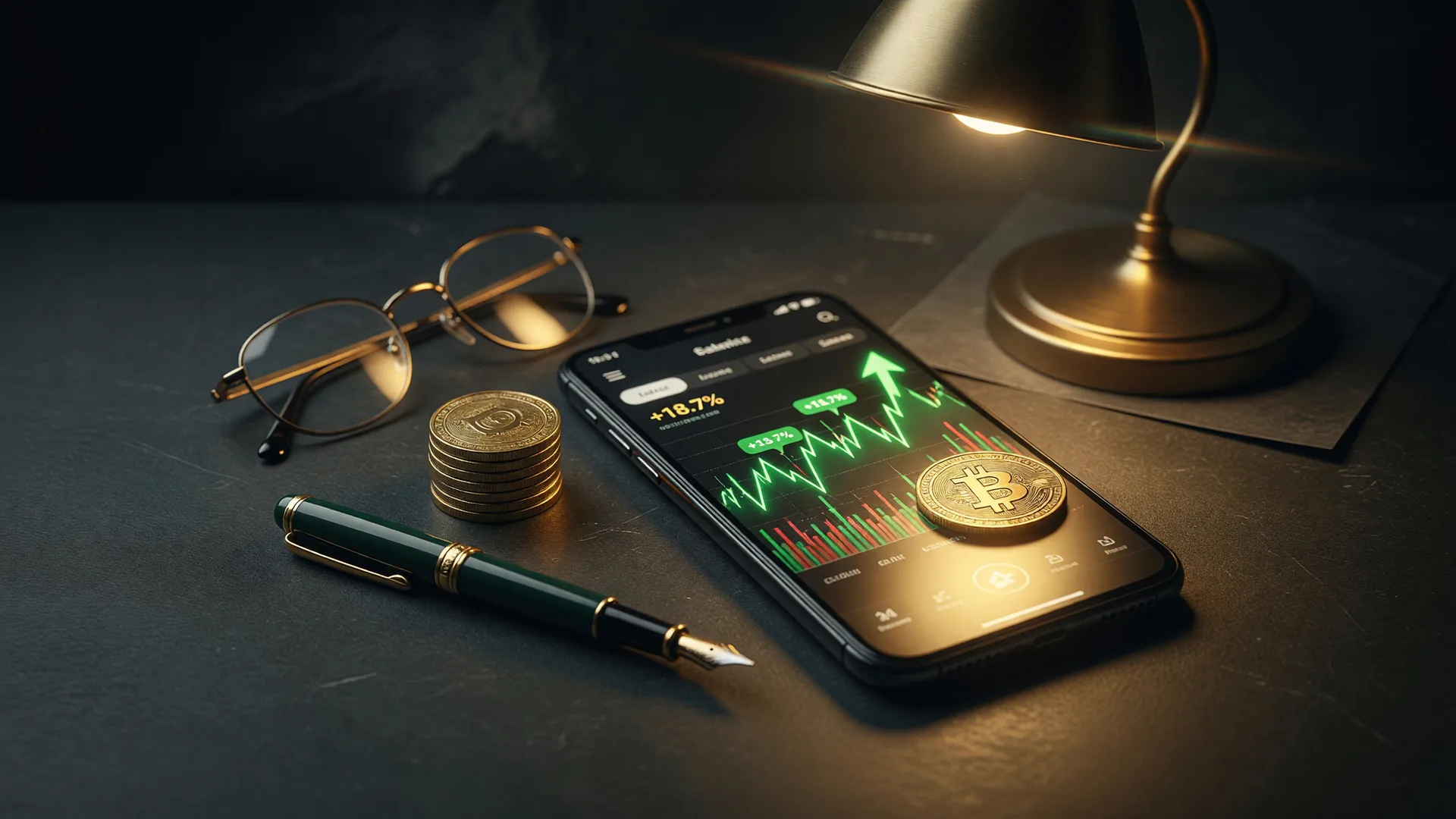
Frank downloaded the app she sent, and the dashboard showed his account growing. He started with a $2,000 deposit, watched the balance climb, and felt the thrill of profit. He deposited more, then made a $12,000 deposit when the numbers looked too good to leave on the table. When he finally tried to withdraw, the app demanded a tax fee first, then a compliance fee, then a “release” fee. The account froze the moment he stopped paying. Six deposits and $68,000 later, the app was gone and Carol stopped answering.
Frank is a composite of the Florida seniors I work with every day, an illustrative example, not a real client, and his story is the one I want every family to rehearse. Carol was never a friend, the app was never a platform, and the profits were pixels on a screen. She was a script, and the script only needed one thing from him: his money. Here is the truth at the end of every story in this series: the senior who knows the scam is the one who beats it, and knowledge is your armor. It never wears out.
“The app was never a trading platform and Carol was never a friend. She was a script that needed one thing, his money, and she vanished the moment the withdrawals stopped. The profits were pixels on a screen, and every fake platform loses the same way, the moment you see the script behind the promise.”
The real numbers behind the fake platform
These are the figures the FBI tracked, and Florida seniors carried a heavy share of them. Floridians over 60 lost nearly $710 million to cybercrime in a single year, so every deposit, every text, and every “fee” in this story has a number behind it somewhere in the state.
- $9.3B
- lost to cryptocurrency-related crime in the U.S. in 2024, a record, up 66% from the year before (FBI IC3)
- $5.7B
- in reported losses from cryptocurrency investment scams in 2024, across 41,557 complaints and up 47% from 2023 (FBI IC3)
- $2.8B
- in crypto losses reported by adults 60 and older in 2024, across 33,000 complaints, the most of any age group (FBI IC3)
- $914.5M
- in crypto-related losses reported by Floridians in 2025, placing Florida in the top three states for crypto losses (FBI IC3 reporting)
How the fake crypto platform works
The crypto scam is not one trick; it is a family of tricks that all end the same way. Learn the seven shapes it takes now, and each one has its tell built in:
Play 01
The wrong-number text and the friendly stranger
The opening is a single message that looks like a mistake: a text meant for someone else, with a warm apology and a question that invites a reply. The sender apologizes, keeps the chat going, and day by day the stranger becomes a friend, a confidant, a comforting voice in a quiet day.
The number was never a mistake. The wrong number is the opening move of a rehearsed script, and the friendship that follows is the bait.
Red flag: a stranger who "accidentally" texts you, apologizes, and keeps the conversation going.
Play 02
The pig butchering crossover: friendship, then profit
After weeks of small talk, the new friend mentions a cryptocurrency platform they have been using, one that shows rising profits and easy withdrawals, and offers to walk you through it. The screenshots look real, the profits look real, and the offer feels generous, coming from someone you trust.
It is called pig butchering because the scammer fattens the relationship with affection and fake returns before the slaughter: the moment you try to withdraw, the platform demands more fees, and the money is gone. The friendship is the bait; the crypto screen is the hook.
Red flag: a new online friend who steers the conversation to a crypto platform with "easy" profits.
Play 03
The fake trading app with fictional bankers and support staff
The app arrives as a link from the friend, never from an official app store. It looks professional: live charts, order books, balances, customer support. There is even a "relationship manager" who calls with a friendly voice to reassure you and a "bank" that issues account statements.
None of it is real. The dashboard is a movie set, and the entire staff, the support team, the managers, and the bankers are played by the same criminals who own the app.
Red flag: an app that only exists as a link someone sent you, with a professional-looking dashboard but no traceable company behind it.
Play 04
Celebrity-endorsed and government-name crypto schemes
Some fake platforms borrow famous names to look legitimate: a celebrity face, a government agency, a famous business show, a well-known investor. The "endorsement" is usually an edited photo or a spliced video that was never real, and the name drop is meant to silence the question "is this actually legitimate?"
Real financial firms and real government agencies never recruit you into a trading app by text, and no honest platform needs a celebrity face to convince you to deposit.
Red flag: a platform that leans on a celebrity face or a government name you cannot verify anywhere else.
Play 05
The "trusted advisor" who poses as a legitimate crypto counselor
In the most personal variant, a scammer poses as a legitimate crypto counselor, a tax expert, or a compliance officer who "found" your name through a trusted channel and wants to help you invest safely. The advisor steers you into a fake app, answers your questions patiently, and builds the trust a real professional would earn over years.
The title is a costume. A real advisor works for a registered firm, meets you in person or on a verifiable call, and never needs you to deposit into an app they texted you.
Red flag: a "counselor" or "advisor" you only know through text who asks you to move money into an app you cannot verify.
Play 06
Bitcoin ATM and kiosk deposits
Many fake platforms steer seniors away from traceable bank wires toward Bitcoin ATMs and kiosks. The victim is told to withdraw cash, feed it into a machine, and scan a QR code that sends the cryptocurrency straight to the scammer. The machine prints a receipt, and the deposit is gone in seconds.
Cash to crypto is fast, anonymous, and nearly impossible to reverse. A legitimate investment never needs you to convert cash into crypto at a kiosk.
Red flag: any request to deposit cash into a Bitcoin ATM or kiosk to "invest" or "verify" an account.
Play 07
The follow-on recovery scam
The cruelty does not end with the vanishing app. After a victim reports the loss, a second scammer often appears, posing as a recovery agent, a lawyer, or a government official, and promises to get the money back for a fee. It is the same criminal network, or a buyer of the victim list, and it preys on the very hope the first scam created.
No legitimate recovery service charges an upfront fee to return stolen crypto. Anyone who asks you to pay to recover your losses is running the second act of the same fraud.
Red flag: anyone who promises to recover your lost crypto for an upfront fee. That is the follow-on scam.

Red flags checklist: spot the fake platform early
Scams do not thrive on cleverness; they thrive on speed and shame. If you recognize even one of these, you already know the script:
-
Red flag 01 Guaranteed or "risk-free" returns and promises of massive profit. Real investing always carries risk, and no honest platform promises to double your money.
-
Red flag 02 A platform that only exists as an app or website link someone sent you, with no registered company, no office, and no way to verify it.
-
Red flag 03 Pressure to deposit more to "unlock" withdrawals or to avoid losing the balance already shown on the screen.
-
Red flag 04 Withdrawal requests that suddenly trigger tax fees, compliance fees, or release fees, all payable before you can take a single dollar out.
-
Red flag 05 Requests to pay by gift card, wire transfer, or Bitcoin ATM, payment methods that are fast, anonymous, and nearly impossible to reverse.
-
Red flag 06 A "mentor" or "advisor" you only know through text messages, who has never shown their face on a call.
-
Red flag 07 A dashboard that shows your account growing in profits but never lets you take money out.
-
Red flag 08 Requests for secrecy about the investment: "Do not tell your family or your bank, they will not understand."
-
Red flag 09 Anyone who offers to recover your lost crypto for an upfront fee. That is the follow-on recovery scam.
What to do if it happens
If it has already happened, you already have a plan. These ten moves keep you calm, in control, and moving forward, no matter how convincing the app felt:
- 1
Stop all deposits and stop paying any "fees"
The single most powerful move is to stop. Every deposit funds the next victim, and every "fee" buys nothing but more delay. The account is already gone, so do not feed it further.
- 2
Never pay anyone who promises to recover lost crypto for an upfront fee
The follow-on recovery scam is real and it is aimed directly at you. No legitimate agency charges an upfront fee to return stolen money, so treat any recovery offer as part of the same fraud and refuse it.
- 3
Save every message, wallet address, receipt and screenshot
Keep the texts, the app download link, the wallet addresses, the transaction receipts, and screenshots of the dashboard. This evidence is what investigators use to connect the scammer to other victims.
- 4
Report to the FBI IC3 at ic3.gov
The FBI Internet Crime Complaint Center investigates crypto investment fraud. File a complaint at ic3.gov with the wallet addresses, the platform name, and every receipt you have.
- 5
Report to the FTC at reportfraud.ftc.gov
The Federal Trade Commission tracks every crypto scam report and uses the pattern to stop the network. File online at reportfraud.ftc.gov with as much detail as you have.
- 6
Call the Florida Attorney General fraud hotline at 1-866-963-7226
Report the scam to the state at 1-866-963-7226 and get guidance from trained specialists who handle Florida fraud every day.
- 7
Call the Florida Elder Affairs SHINE Helpline at 1-800-963-5337
Florida's SHINE program gives seniors free, unbiased counseling on benefits, fraud, and elder protection. Call 1-800-963-5337 for guidance and support that costs nothing.
- 8
Contact the crypto exchange or platform you used to send funds
If you bought crypto through an exchange or sent it through a wallet provider, report it right away. Some platforms can flag a destination address and help investigators trace the funds.
- 9
Contact your bank or credit union right away
Call your bank or credit union immediately to flag the fraud and ask whether any wire or card payment can be stopped or reversed. Time is the only thing that may still recover a payment.
- 10
Freeze your credit
Place a fraud alert or a credit freeze with Equifax, Experian, and TransUnion so no one can open accounts in your name. A freeze is free and blocks new credit until you lift it.
And one more thing, said with all the warmth I can put on this page: the shame you feel right now is exactly what the scammer counted on, and you are never at fault. A professional criminal rehearsed every line against you. Reporting it is not weakness; it is the strongest thing you can do, for yourself and for the next person.
Reporting resources for Florida seniors
Reporting a crypto scam is not about embarrassment; it is about protection. Every report helps the agencies see the pattern and stop the next attempt. These are the verified places to go:
Frequently asked questions about cryptocurrency investment fraud
Quick, honest answers to the questions Florida seniors and their families ask me most. Tap a question to open the answer.
01 What is cryptocurrency investment fraud?
Cryptocurrency investment fraud is a crime in which criminals build a fake trading platform that looks like a real crypto exchange, lure you in with messages, romance, or celebrity and government name drops, and show you a dashboard of rising fake profits. When you try to withdraw, the platform demands one fee after another, and the account freezes the moment you stop paying. The platform, the profits, and the fees are all part of the same script, and the only real goal is your money.
02 How do crypto scammers find victims?
Crypto scammers cast a wide net with wrong-number texts, social media messages, and posts about easy returns, then focus on whoever responds. They often target seniors who live alone or who recently lost a spouse, because a friendly, steady voice feels welcome. The "accidental" text is not an accident; it is the opening move of a professional script that is rehearsed and run in volume.
03 Why do seniors get targeted by fake crypto platforms?
Seniors are targeted because they often hold real savings, may be less familiar with how apps and wallets actually work, and are taught to be polite to strangers. Scammers also use the shame a senior may feel about not understanding technology to push secrecy. None of that makes a senior at fault; it makes them the exact target a rehearsed criminal looks for, which is why knowing the script is so powerful.
04 What are the biggest red flags of a fake crypto platform?
The biggest red flags are guaranteed or risk-free returns, a platform that only exists as a link someone sent you, pressure to deposit more to unlock withdrawals, fees that appear only when you try to take money out, and payment demands by gift card, wire, or Bitcoin ATM. Add a mentor you only know through text, a dashboard that shows profits but never pays, and a request for secrecy, and you are holding the full script.
05 I already sent money to a crypto platform, what do I do?
Stop all deposits and pay no more fees, then act fast and without shame, because these scammers are professionals. Save every message, wallet address, receipt and screenshot, report to the FBI IC3 at ic3.gov and the FTC at reportfraud.ftc.gov, and contact the exchange or platform you used and your bank or credit union right away. Florida seniors can also call the SHINE Helpline at 1-800-963-5337 and the Attorney General fraud hotline at 1-866-963-7226, and freeze your credit if you shared personal details.
06 Can I get my money back after a crypto scam?
It is possible, but it is never guaranteed, and speed matters because crypto moves fast and is hard to reverse. Report to the FBI IC3 at ic3.gov right away with wallet addresses and receipts, report to the FTC, and contact the exchange or wallet provider you used and your bank or credit union immediately. Be very careful: anyone who promises to recover your money for an upfront fee is running the follow-on recovery scam, and you should never pay them.
07 How do I talk to a parent about a suspicious crypto investment?
Start with care, not accusation. Say you love them and you are worried, and ask about the investment with curiosity instead of judgment, because shame is exactly what the scammer uses to keep it secret. Walk through the red flags together, offer to help verify the platform or the person who recommended it, and remind them that victims are never at fault. If money was already sent, help them report it to the FBI IC3, the FTC, and their bank right away.
Follow the full Senior Scams series
This is Story 6 of the Senior Scams series: a new, real-world scam warning published daily for Florida seniors and the families who love them. Every story names the trick, shows how it plays out, and ends with the move that stops it.
Bookmark the hub and check it daily. Story 1 covered Medicare open enrollment, Story 2 covered grandparent AI voice scams, Story 3 covered Social Security impostors, Story 4 covered IRS and tax agency threats, Story 5 covered romance scams, and this cryptocurrency story is Story 6. Each new story adds a new layer of armor.
The suspended-SSN call, the six script plays, and the one fact that ends it: the Social Security Administration never suspends numbers and never demands payment by phone.
The fake lover’s fund request, the pig butchering crossover with a fake crypto platform, and the follow-on recovery scam that appears after a loss.
Start at the home page for Michael’s full story, the services he offers, and how to book a free strategy call with The Complete Real Estate Team, powered by Dalton Wade Real Estate.
The companion blog post for this story lives at /blog/cryptocurrency-investment-fraud/, and the whole blog holds more senior protection reading from the Treasure Coast to South Florida.
Before the next “investment opportunity” comes
Arm your family with one free call
Michael “Wiz” Wisniewski is a Certified Real Estate Planning Advisor who works with Florida seniors and their families every day. Bring any app, link, or message that felt off, and leave with a clear next step for your family. Free 15-minute strategy call, no pressure, no obligation.

About the Author
Michael "Wiz" Wisniewski
Michael "Wiz" Wisniewski is The Life Transition Specialist with The Complete Real Estate Team, powered by Dalton Wade Real Estate, serving clients from the Treasure Coast to South Florida. A Certified Real Estate Planning Advisor, Certified Life Transition Specialist, and Certified A.I. Real Estate Advisor, he has worked nearly every side of real estate: fix-and-flip investing, land development, home building, and property management, and guides families through life's transitions with care, honesty, and the Golden Rule.
Certified Real Estate Planning Advisor | Certified Life Transition Specialist | Certified A.I. Real Estate Advisor
Written by
Michael Wisniewski, The Wizard of Real Estate
Certified Real Estate Planning Advisor | Certified Life Transition Specialist | Certified A.I. Real Estate Advisor
Helping Florida families protect what matters most.
Talk Soon