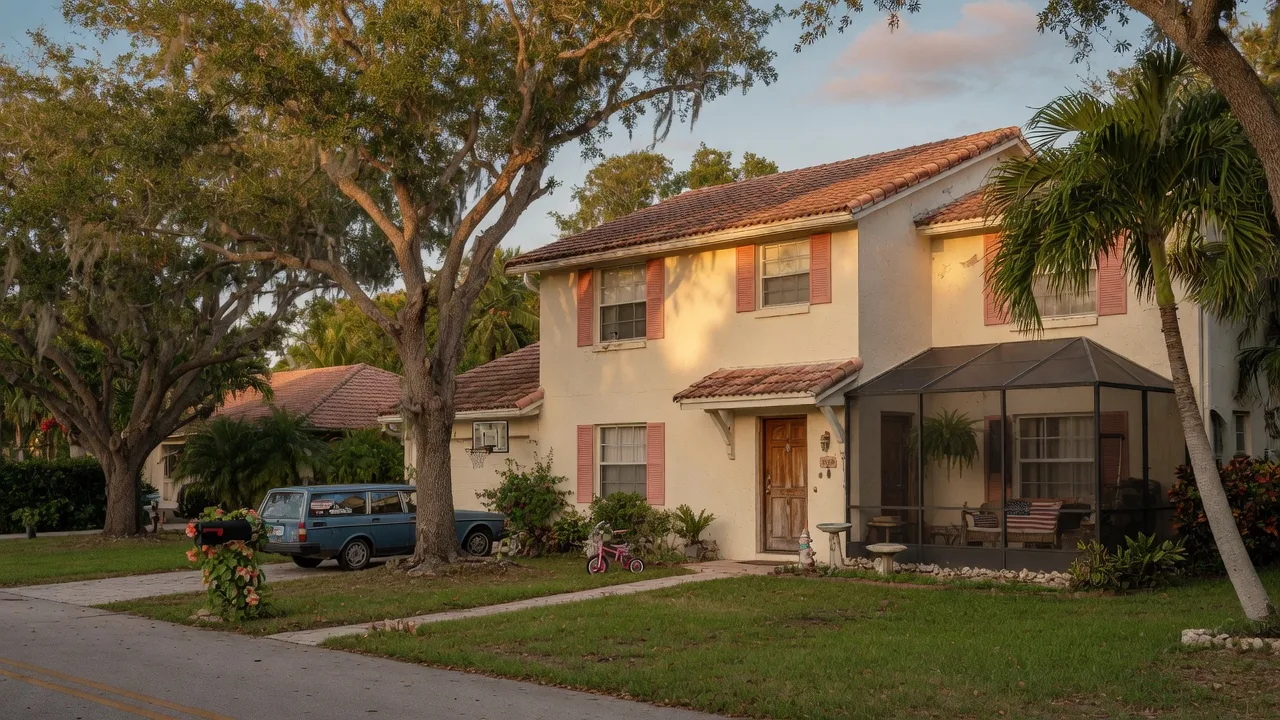
Let me tell you why I wrote this. A few years back I got a call from a brother and sister in Vero Beach, three weeks after their mother had passed. Their parents bought that house in the 1980s, raised two kids in it, and paid it off years ago. Now the siblings stood in the kitchen among boxes and photographs and did not know who had the right to sell it, what the timeline was, or where even to begin. The deed was in their mother’s name alone, so the answer, once we talked it through, was that the house was part of her estate and would move through probate in Indian River County.
They are not the only family in that position, not by a long shot. Every week I sit down with families from Fort Pierce to Boca Raton who inherit a home and suddenly find themselves learning a whole new vocabulary: personal representative, letters of administration, creditor notice periods, homestead. Raised on Midwest values and the Golden Rule, I believe in treating people the way I want my own family treated, which means plain language, honest numbers, and a steady hand through a hard season. That is the spirit of this guide.
This guide is the roadmap I wish that brother and sister had on day one. It answers, in plain language, what happens to a house in probate in Florida, from the moment the estate opens to the day the home is sold or transferred. Every claim stays true to the source guide, every figure is a well-known, verifiable number with its unit attached, and nothing is invented. Read it before you call your attorney, and you will walk into the conversation with the right questions.
Here is the honest headline: a house in probate in Florida is a home that belongs to someone who has passed away, so it is handled inside the estate under the court’s supervision. The family does not lose the home, and the home is not frozen forever. It is valued, protected, and eventually sold or transferred to heirs, and a clear plan plus the right team turns that process from a worry into a checklist.
What this guide covers
Eight questions, answered answer-first so you can skim, search, or ask your voice assistant and still get the point. Each answer stands alone, then expands into the full story.
- What is a probate home?
- How does probate work for a house in Florida?
- Can you sell a house during probate in Florida?
- Who can sell a probate home in Florida?
- How long does probate take in Florida?
- What does it cost to sell a probate home?
- Do you pay taxes when selling an inherited home in Florida?
- How do you prepare a probate home for sale?
What Is a Probate Home?
A probate home is a house owned by someone who has died, which means it is part of that person’s estate and is handled through the court-supervised process called probate before it can be sold or transferred to heirs.
When the home is titled in the deceased person’s name alone, it typically becomes part of the estate. The court oversees how the property is valued, protected, and eventually transferred or sold, which is why the family home often seems to “sit” in probate: the estate cannot simply hand over the deed the day after a funeral.
Not every home goes through probate. Florida lets some property pass outside the court process entirely: a home held in a living trust, owned jointly with rights of survivorship, or passed by a Florida beneficiary deed can transfer directly to heirs. When no such arrangement exists, the court process applies, and that is where this guide comes in. For the shorter walk through the sale itself, our probate home sale guide covers the process, the documents, and the timeline step by step.
How Does Probate Work for a House in Florida?
Probate in Florida works as a court-supervised sequence: the court appoints a personal representative, creditors get a legal window to make claims, and only then can the estate’s home be sold or transferred to heirs, after which the estate closes.
The best way to see it is as three steps, and the family home sits at the center of each one.
01
The estate is opened
After a death, the will, if there is one, is brought to the Florida court and a personal representative, also called the executor, is appointed. This is when the family home officially becomes part of the estate.
02
Creditors are notified
Florida law gives creditors a notice period, often about 3 months, to make claims against the estate. That window generally has to run its course before the estate can be closed.
03
The home is handled and the estate closes
Within that window the home is valued and either sold or transferred, and the estate is closed. A straightforward estate typically takes about 6 months to a year, small estates can move faster, and contested ones take longer.
Three professionals move through those steps together: the probate attorney files the petition and handles the court filings, the personal representative acts with court authority, and the real estate professional values, prepares, and sells the home within that framework. All three work from the same timeline, which is why the estate moves smoothly instead of stalling.
Can You Sell a House During Probate in Florida?
Yes, a house can be sold while it is in probate, and Florida families do it every day: the personal representative sells the home inside the court process, usually with court approval, and the proceeds first settle estate costs and then pass to the heirs.
Selling during probate is often the cleanest way to pay debts, expenses, and taxes, then distribute what remains to the family. It is not the only path, though, and the right one depends on the family, the estate, and the home itself.
Sell during probate
Selling gives the estate the cash it needs and settles the home cleanly. The personal representative sells through the court’s framework, and the estate can move fast with an as-is cash sale when speed matters.
Keep the home in the family
The family can keep the home rather than sell it, either for a family member to live in or to hold and rent out. That choice comes with the continuing mortgage, taxes, insurance, upkeep, and day-to-day management, so the numbers need to work.
Transfer it to a beneficiary
Florida law lets some homes pass directly to heirs without a sale, and the family home often earns special homestead protections. A court order may be needed to confirm who owns it, which is one of the steps the probate attorney handles.
Weigh what fits your family
None of these paths is right or wrong on its own. The best fit depends on whether the estate needs cash, whether anyone wants the home, how heirs feel about holding costs, and how quickly the estate needs to settle.
None of these paths is right or wrong on its own. The honest fit comes from real numbers: whether the estate needs cash, whether anyone wants the home long term, how heirs feel about holding costs, and how quickly the estate needs to settle. That is exactly the conversation we have on a strategy call, with no pressure and no obligation.
Who Can Sell a Probate Home in Florida?
The court-appointed personal representative, also called the executor, is the person with the legal authority to sell a house in probate in Florida, acting within the court process and with court approval when the situation requires it.
Individual heirs do not each need to sign the listing agreement; the personal representative holds that authority, and a properly noticed sale the court approves can move forward even when heirs disagree. Florida also has special rules for homestead property, so the probate attorney typically confirms authority before anything is listed.
That is the legal side. The real estate side, the valuation, the marketing, and the closing, is where I step in and work shoulder to shoulder with your attorney. And when the home later passes to you, the inherited home guide walks through what to do next: sell it, rent it, move in, or pass it on.
How Long Does Probate Take in Florida?
A straightforward Florida probate typically runs about 6 months to a year, while complex or contested estates can take up to 2 years or longer, and a required creditor-notice period of about 3 months drives much of that clock.
Small estates can move faster, sometimes through Florida’s summary administration, while estates with disputes, missing heirs, or tax issues run longer. The home sale timeline should be planned around the estate timeline, not against it: if the estate needs to close in a hurry, a speed-focused sale option matters more than waiting for top dollar.
6 to 12 months
Typical Florida probate timeline
A straightforward estate usually runs about 6 months to a year, and the home sale is planned inside that window, not against it.
Up to 2 years
Complex or contested estates
Estates with disputes, missing heirs, or tax issues take longer, which is why the plan matters more than the calendar.
About 3 months
Creditor notice window
Florida law gives creditors a window to make claims against the estate, and it generally has to run before the estate can close.
7 to 14 days
As-is cash sale close
When the estate needs speed and certainty, an as-is cash sale like the CASH+ program can close in as little as 7 to 14 days.
What Does It Cost to Sell a Probate Home?
What it costs to sell a probate home comes down to four honest buckets: probate attorney fees and court costs, real estate commission and closing costs, and the carrying costs of taxes, insurance, utilities, and upkeep while the estate is open.
Every estate is different, so the truthful answer to “how much” is “it depends on the home, the mortgage, and the timeline,” and I help families put real numbers on each bucket before anyone signs anything. Attorney fees are paid from estate funds as part of the court process, and the carrying costs keep running until the home closes, which is one more reason the timeline matters as much as the price.
When speed and certainty matter more than maximizing the price, an as-is cash sale like our CASH+ program can skip the costs of repairs, staging, and showings and close in as little as 7 to 14 days, which is often the most economical path for a grieving family.
Do You Pay Taxes When Selling an Inherited Home in Florida?
Heirs generally owe no capital gains tax on the appreciation that happened before the inheritance, because the home’s tax basis steps up to its fair market value on the date of death, and Florida has no state income tax, including no state capital gains tax.
That step-up in basis is one of the most powerful numbers in an estate. The IRS treats the home as if the heir bought it on the day of the death, at its then-current value, so a home bought for $80,000 in the 1980s and worth $600,000 at death is, for the heir, a $600,000 asset. Sell it at about that value and there is generally no federal capital gains tax to pay.
Two caveats keep this honest. If the estate or the heirs sell the home for more than the stepped-up basis, the gain on that difference can be taxable, and an heir who makes the inherited home their primary residence for at least 2 of the 5 years before a sale may qualify for the federal home-sale exclusion on part of the gain. Florida homestead benefits, including the homestead exemption and the Save Our Homes cap, can also carry over for a surviving spouse. Your CPA or tax advisor should confirm the exact numbers for your family, and I will happily coordinate with them as part of the plan.

How Do You Prepare a Probate Home for Sale?
Prepare a probate home for sale the way you would any Florida home, with one extra step first: confirm authority with the personal representative and the probate attorney, then declutter, clean, make the repairs that pay, get an honest valuation, and market it with professional photos.
Grief makes this harder than it looks on paper. The dishes in the sink belong to a parent who is gone, and the cleanout can feel like a second loss. Families do it room by room, one box at a time, and there is no shame in asking for help or taking the weeks it takes to sort what matters from what goes.
Confirm authority and the attorney’s plan first
The personal representative and the probate attorney confirm who may act and what the court requires before any showing or offer.
Declutter and remove personal items, room by room
Grief makes this the hardest step, so families take it one room and one box at a time, keeping what matters and letting the rest go.
Deep clean and make the small repairs that pay
Fresh paint, clean windows, and tidy landscaping return more than they cost. Skip the big renovations the next owner would redo anyway.
Get an honest, market-based valuation
The court, the heirs, and the family all need to stand on the same number, built from recent sales and the home’s real condition.
Stage lightly and photograph professionally
A clean, bright, well-photographed home sells faster and for more, and it gives every heir a version of the house to be proud of.
Match the sale method to the estate timeline
A traditional listing can reach the highest price. When speed matters more, an as-is cash sale skips preparation and closes fast.
The valuation is the keystone: the court, the heirs, and the family all need to stand on the same number. A free home valuation gives you that researched number with no obligation, so the conversation starts from facts instead of guesses.
Questions Florida Families Ask About a House in Probate
The same eight questions, answered short and quotable, the way you would hear them on a strategy call.
What is a probate home?
A probate home is a house owned by someone who has died, so it sits inside the estate and is handled through the court process called probate before it can be sold or transferred. Homes held in a living trust, owned jointly with rights of survivorship, or passed by a Florida beneficiary deed can avoid probate entirely. When the home is in the deceased person’s name alone, the court oversees how it is valued and eventually transferred or sold.
How does probate work for a house in Florida?
The court appoints a personal representative, also called the executor, creditors get a legal notice window of about 3 months to make claims, and only then can the family home be sold or passed along. Within that window the home is valued and either sold or transferred, and the estate is closed. A straightforward estate typically takes about 6 months to a year, while contested ones take longer.
Can you sell a house during probate in Florida?
Yes, and it is very common. The personal representative sells the home within the court process, with court approval when the situation requires it, and the proceeds pay estate costs and then go to the heirs. When the estate needs speed and certainty, an as-is cash sale can close in as little as 7 to 14 days.
Who can sell a probate home in Florida?
The court-appointed personal representative, also called the executor, is the person with the legal authority to sell estate property in Florida. Court approval or confirmation is often part of the process, and Florida has special rules for homestead property. The family’s probate attorney confirms authority, while Michael handles the real estate side from valuation to closing.
How long does probate take in Florida?
A straightforward Florida probate typically runs about 6 months to a year, while complex or contested estates can take up to 2 years or longer. A required creditor-notice period of about 3 months drives much of that clock, and smaller estates can move faster through summary administration. The home sale timeline is planned around the estate timeline, not against it.
What does it cost to sell a probate home?
The main costs are the probate attorney’s fees and court costs, the real estate commission and closing costs, and the carrying costs of taxes, insurance, utilities, and upkeep while the estate is open. Every estate is different, so the honest number comes from a review of the home, the mortgage, and the timeline. An as-is cash sale can remove the costs of repairs, staging, and showings when speed matters more.
Do you pay taxes when selling an inherited home in Florida?
Heirs generally owe no capital gains tax on appreciation that happened before the inheritance, because the home’s tax basis steps up to its fair market value on the date of death, and Florida has no state income tax. If the home sells for more than the stepped-up basis, the gain on that difference may be taxable. A CPA or tax advisor should confirm the exact picture for your family.
How do you prepare a probate home for sale?
Start by confirming authority and the estate attorney’s plan, then declutter, deep clean, make the repairs that pay, get an honest valuation, and market the home with professional photos. Grief can make this feel overwhelming, so families do it room by room and often with help. When the estate needs speed, an as-is cash sale skips the preparation entirely.
Keep reading: the guides families pair with this one
The house is one chapter of a bigger story. These pages walk with you through the rest of it, from the sale itself to the legacy it leaves behind.
Probate home sale guide
The source guide on selling a house in probate: the process, the documents, and how the real estate side works with your attorney.
Read the guideInherited home options
Sell it, rent it, move in, or pass it on. The honest trade-offs of an inherited house once the estate settles.
Read the guideFree home valuation
Get a researched value of the estate home so the court, the heirs, and the family all start from the same number.
Read the guideGenerational wealth
How a Real Estate Planner builds, protects, and transfers the family’s wealth through the home, from first purchase to legacy.
Read the guideContact Michael
Call, text, or send a private note. Michael responds personally, usually within one business day.
Read the guideThe plan is what turns probate from a worry into a checklist
That brother and sister in Vero Beach got their plan. The personal representative was confirmed, the home was valued honestly, the estate moved through its creditor window, and the house sold on purpose instead of under pressure, with the proceeds distributed the way their mother intended. They did not need to become probate experts; they needed one clear roadmap and a steady guide.
Your family’s story does not have to be harder than it already is. As a Certified Real Estate Planning Advisor, I help families build, protect, and transfer generational wealth through the home, and the generational wealth guide shows why that plan matters decades before the funeral. When you are ready to talk, reach out directly and we will start with your questions, not a sales pitch.

About the Author
Michael "Wiz" Wisniewski
Michael "Wiz" Wisniewski is The Life Transition Specialist with The Complete Real Estate Team, powered by Dalton Wade Real Estate, serving clients from the Treasure Coast to South Florida. A Certified Real Estate Planning Advisor, Certified Life Transition Specialist, and Certified A.I. Real Estate Advisor, he has worked nearly every side of real estate: fix-and-flip investing, land development, home building, and property management, and guides families through life's transitions with care, honesty, and the Golden Rule.
Certified Real Estate Planning Advisor | Certified Life Transition Specialist | Certified A.I. Real Estate Advisor
Written by
Michael Wisniewski, The Wizard of Real Estate
Certified Real Estate Planning Advisor | Certified Life Transition Specialist | Certified A.I. Real Estate Advisor
Helping Florida families protect what matters most.
Talk Soon