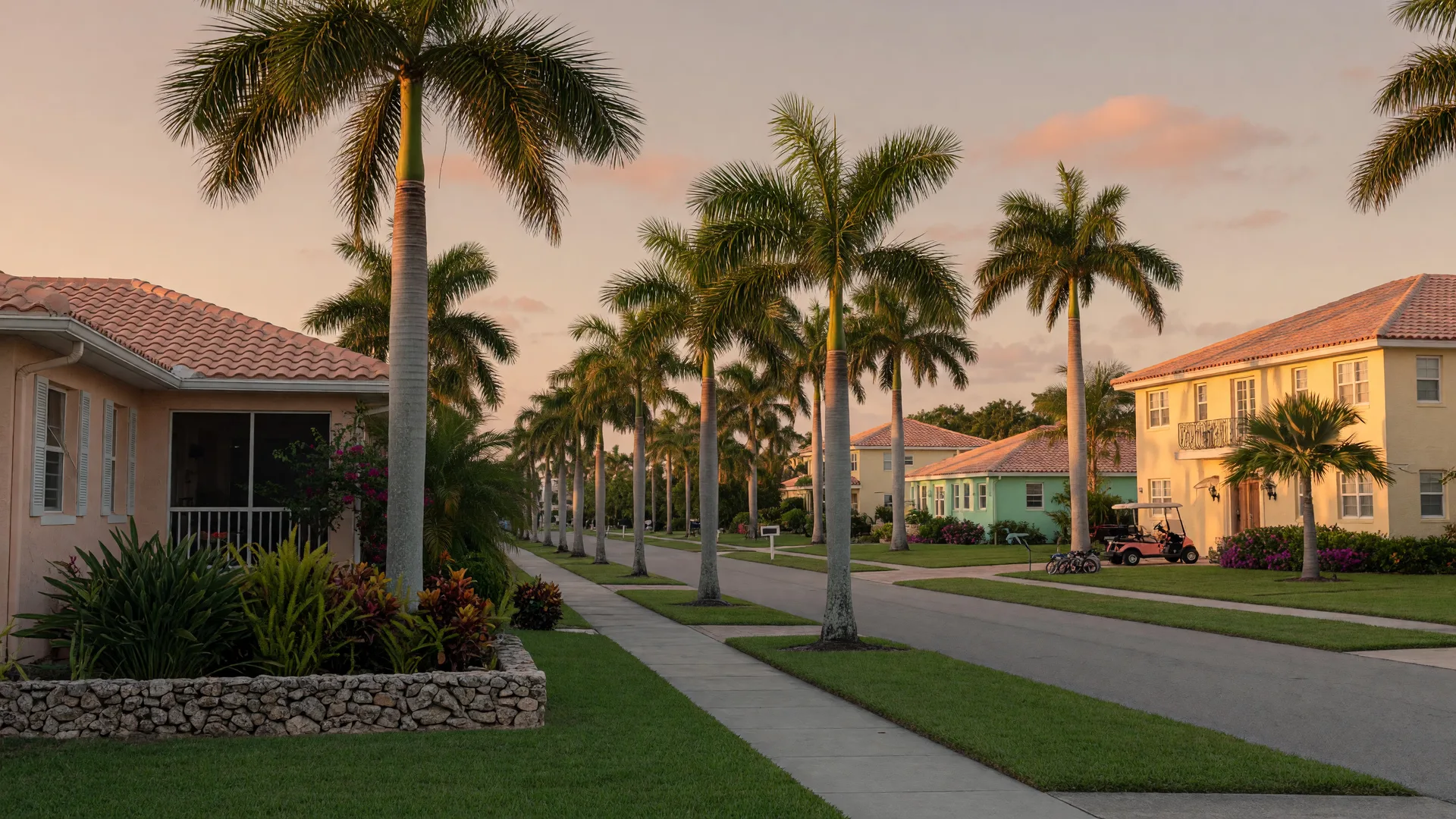
Two numbers explain why this guide matters so much in Florida. First, the AARP Public Policy Institute estimates that Americans age 60 and older lose about $28.3 billion a year to elder financial exploitation. Second, Florida is home to more than 5.1 million residents age 65 and older, about 21.8% of the state's population, per the U.S. Census Bureau, one of the largest senior populations in the country. That is exactly why scammers target the Sunshine State, and why the story below is more common than anyone wants to admit.
It started with a call that looked completely real. The caller ID on the kitchen phone in a Delray Beach home showed the name of a major bank, spelled exactly right. The man on the line knew her account number and read back the last four digits of her card. He told her, in a calm, reassuring voice, that there had been suspicious activity on her accounts and that he needed her Social Security number to “lock down” everything before the thieves got any further. She was a widow in her late 70s, careful with her money her whole life. She read the number off. It took months afterward to understand what happened: thousands of dollars gone, and months of credit repair ahead. She was smart and careful, not foolish. Scammers sound exactly like people you can trust.
This guide covers the warning signs the National Council on Aging wants every older adult to know, five rules that can stop a scam cold, the seven scams hitting South Florida right now, and where real people can get help in Palm Beach, Broward, and Miami-Dade Counties. If you take away only one thing, make it this: the defense is slowing down and checking, never the belief that you are the person who cannot be conned.
Why scammers target Florida seniors
The National Council on Aging reminds us that older adults lose billions of dollars every year to financial scams, and the losses keep climbing as fraudsters get better at sounding legitimate. Florida is home to millions of older adults, more than almost any other state, and that concentration is exactly why the state is a major target. Warm weather, a large retiree population, and steady migration mean the scammer's list of phone numbers is never short. Every one of those calls is rehearsed, patient, and built to create fear, urgency, and trust.
“Scammers don’t always sound like scammers. They may sound like your bank, your insurance company, Medicare, a police officer, a computer technician, or even a grandchild who supposedly needs help.”
Five rules to stop a scam cold
You do not need to be an expert to protect yourself. You need five habits, practiced until they are automatic:
-
1. Slow down.
“Right now” pressure is a red flag. Real banks, real Medicare, and real police never demand that you act this minute. Any urgency is the scammer's strongest tool, because it skips your judgment.
-
2. Don’t trust caller ID.
Names and numbers can be faked. Hang up and call the number you already know, the one on the back of your card or in the phone book. That single step kills most scams on the spot.
-
3. Never give personal information to someone who called you.
Not your Medicare number, not your Social Security number, not your bank information, not your passwords. Legitimate organizations already have what they need; they never ask you to read it back over the phone.
-
4. Never let anyone rush you into sending money.
Gift cards, wire transfers, and cryptocurrency are the scammer's favorite payment methods because they cannot be reversed. Anyone who asks for payment that way, for any reason, is a scammer.
-
5. Tell someone you trust.
Secrecy is the scammer's best friend. The moment you hear “don’t tell anyone,” that is exactly when you should tell someone: a spouse, a child, a neighbor, a banker, or an advisor.
Before you do anything else
If something doesn’t feel right, stop
Don’t be embarrassed. Don’t be pressured. Talk to someone you trust. Michael “Wiz” Wisniewski is a Certified Real Estate Planning Advisor who works with Florida families every day, seniors included. Reach out for a free 15-minute strategy call, with no pressure and no obligation.
Being fooled is not foolish
If someone you love has been scammed, please hear this clearly: it does not mean they are foolish. Today’s scams are sophisticated, rehearsed operations designed by teams of criminals to create fear, urgency, and trust in the same few minutes. They use real technology, real logos, and real names. The widow in Delray Beach was not careless; she was targeted by someone who had already done his homework. The right response to a scam is not shame, it is reporting, support, and a plan, and it is never too late for any of the three.

Seven common senior scams in South Florida
These are the scripts you are most likely to hear, coast to coast, from the Treasure Coast down through Miami-Dade:
Health insurance fraud
A caller or door-to-door visitor offers a cut-rate Medicare supplement, dental plan, or “discount card.” They collect a premium and your personal information, and deliver nothing, or they bill Medicare for services that were never performed.
The grandparent scam
A caller pretends to be a grandchild in trouble, arrested, in a car accident, or stuck in another country, and begs for money wired “right now.” A fake lawyer or police officer often joins the call to add pressure. Hang up, call the grandchild on a number you know, and confirm with a parent.
Tech support scams
A pop-up or phone call claims your computer has a virus. The “technician” asks for remote access, then “discovers” a refund that somehow requires gift cards, or installs software that harvests your bank and tax information. Software repairs are never paid for in gift cards.
Romance scams
A fake profile on a dating site or social media builds a relationship over weeks or months, then needs money for travel, medical bills, or a business emergency. The money flows to criminal networks, and the relationship ends the moment the payments stop.
The Medicare scam
Callers pose as Medicare or health-plan representatives offering free supplies, screenings, or a “new card,” and ask for your Medicare number. That number is then used to file fraudulent claims against your benefits. Medicare will never call and ask for your number.
Telemarketing scams
High-pressure phone pitches for prizes, charities, investments, or magazine subscriptions. The “prize” always requires a fee, a gift card, or your bank account to claim. Legitimate prizes do not ask you to pay to receive them.
Home repair and contractor fraud
After storms, or door-to-door after a “roof check,” dishonest “contractors” demand large deposits, do poor or no work, and disappear. Hurricane-prone South Florida is a favorite territory. Verify licensing and references, get everything in writing, and never pay the full amount up front.
Florida resources
The Florida Attorney General’s Office operates a Senior Protection Team dedicated to fraud education and reporting. If you or someone you love has been targeted or victimized, report it. The fraud hotline is 1-866-966-7226. Reporting is how patterns get caught, how cases get built, and how the next call gets stopped.
Local resources for South Florida
Help is close by, and much of it is free. Here are organizations that serve seniors in Palm Beach, Broward, and Miami-Dade Counties, plus statewide programs worth knowing about.
Palm Beach County
Seniors vs. Crime, Delray Beach Storefront
15127 Jog Rd, Ste 203, Delray Beach, FL 33446. Call 561-865-1571. Volunteer advocates provide consumer advocacy and community presentations to help seniors resolve disputes and avoid becoming victims.
Catholic Charities Elder Victims of Crime Program
Offered through Catholic Charities of the Diocese of Palm Beach, this program provides intensive education and support for adults 55 and older who are navigating fraud and financial exploitation.
Area Agency on Aging Palm Beach/Treasure Coast
The Elder Rights Department provides elder rights education and legal resources. Call 1-866-684-5885.
Broward County
Area Agency on Aging of Broward County (ADRC)
Safety workshops, fraud guides, and a testing program for “SilverShield,” a scam-verification tool for SMS and email. The helpline is 954-745-9779.
Broward Legal Aid
Senior protection education covering online predators, deed fraud, and banking safety, so families know the warning signs before a document gets signed.
Miami-Dade County
State Attorney’s Office
“Identity Theft / Scam Prevention Presentations” are available for civic groups and community organizations, bringing prosecutors and fraud specialists to your audience.
Elder and Vulnerable Adult (EVA) Exploitation Unit
Reviews Adult Protective Services reports and holds consumer defense workshops, working directly to stop exploitation before it deepens.
Statewide programs
Savvy Seniors Seminars
A free five-hour series from the Florida Crime Prevention Association covering taxpayer ID hacking, investment scams, and tech support fraud. Five hours that can save years of heartache.
Seniormart Seminars
Financial protection seminars hosted by The Florida Bar Business Law Section, helping seniors and families understand the paperwork traps that fraudsters exploit.
Pass it on
Share this with your parents, grandparents, friends, and anyone you love
One forward can change the ending of a story like the one in Delray Beach.

About the Author
Michael "Wiz" Wisniewski
Michael "Wiz" Wisniewski is The Life Transition Specialist with The Complete Real Estate Team, powered by Dalton Wade Real Estate, serving clients from the Treasure Coast to South Florida. A Certified Real Estate Planning Advisor, Certified Life Transition Specialist, and Certified A.I. Real Estate Advisor, he has worked nearly every side of real estate: fix-and-flip investing, land development, home building, and property management, and guides families through life's transitions with care, honesty, and the Golden Rule.
Certified Real Estate Planning Advisor | Certified Life Transition Specialist | Certified A.I. Real Estate Advisor
Still wondering if it could happen to you?
Talk to someone who protects Florida families
Don’t be embarrassed. Don’t be pressured. Talk to someone you trust. Michael “Wiz” Wisniewski, The Wizard of Real Estate, offers a free 15-minute strategy call to anyone in Florida who wants a second set of eyes on a call, a contract, or a decision.
Written by
Michael Wisniewski, The Wizard of Real Estate
Certified Real Estate Planning Advisor | Certified Life Transition Specialist | Certified A.I. Real Estate Advisor
Helping Florida families protect what matters most.
Talk Soon